Keep Your Bouquets Blooming with Simple Techniques
Posted on 25/05/2025
Keep Your Bouquets Blooming with Simple Techniques
Bouquets bring color, fragrance, and life to any room, but keeping them fresh and beautiful for as long as possible can seem like a challenge. Fortunately, caring for your floral arrangements isn't rocket science. With just a few simple techniques and by understanding a few key principles, you can maximize the vase life of your blooms. Whether you're a flower enthusiast or just brought home a lovely bunch, follow this comprehensive guide to keep your bouquets blooming and vibrant for longer.

Why Do Cut Flowers Wilt So Quickly?
Before delving into techniques, it's important to understand why freshly cut flowers often wilt so quickly. When flowers are removed from their roots, they lose their natural water and nutrient supply. Air can also enter the stems, which may form a blockage that reduces their ability to absorb water. Additionally, bacteria in vase water multiply quickly, contributing to the early decay of stems and petals.
The Main Reasons for Early Flower Wilting
- Lack of hydration: Stems out of water quickly dry up and can no longer draw up moisture.
- Bacterial accumulation: Dirty vases and stagnant water are breeding grounds for harmful bacteria that break down stems.
- Poor stem absorption: Some flowers form air pockets in their stems after being cut, reducing water uptake.
- Improper environmental conditions: Excess heat, direct sunlight, or drafts can prematurely age your blooms.
Simple Steps to Keep Your Bouquets Blooming Longer
1. Choose Quality Blooms from the Start
- When purchasing flowers, look for just-opened buds or those that are still slightly closed. This ensures longevity.
- Check stems for firmness and leaves for a vibrant, glossy green appearance. Avoid flowers with wilted petals or signs of browning.
Pro Tip: Locally grown and in-season flowers last longer than imported varieties subjected to long transport times.
2. Re-Cut the Stems
Never place bouquets directly into a vase after purchase! For optimal water absorption:
- Use sharp, clean scissors or a floral knife to remove at least one inch from the bottom of each stem at a 45-degree angle. This angle increases surface area for water uptake and keeps the base from sealing flat against the bottom of the vase.
- Re-cut stems every three days to maximize hydration.
Tip: Always cut stems under water to prevent air bubbles from entering and blocking water pathways.
3. Clean Vases are Essential
Bacteria are the biggest enemy of a fresh bouquet. Before arranging, scrub your vase with hot, soapy water and rinse thoroughly to remove all traces of dirt and contaminants.
- Re-clean the vase and add fresh water every two or three days for best results.
4. Use the Right Water Temperature
- Most cut flowers respond well to room temperature water.
- Bulb flowers like tulips prefer cool water, while woody stems like lilacs benefit from slightly warmer water.
Important: Never use hot water, as it can cook the stems and accelerate wilting.
5. Add Floral Preservatives
A commercial floral preservative is designed to balance pH, nourish the flowers, and inhibit bacterial growth. If you don't have access to a commercial packet, you can make your own using household ingredients:
- Sugar: Provides energy for flower cells.
- Bleach or vinegar: Acts as a bacteria deterrent (use only a tiny amount--one teaspoon per quart of water).
- Lemon or lime juice: Helps acidify the water and improve absorption.
DIY Formula: Mix 1 tablespoon of sugar, 2 tablespoons of lemon juice, and 1/2 teaspoon of bleach into a quart of water for a simple homemade solution.
6. Remove Lower Leaves
Any leaves submerged below the waterline will rot quickly, inviting bacteria that shorten bouquet life. Before placing flowers in water:
- Strip off all leaves that will sit below the water level.
7. Arrange Bouquets Wisely
- Keep flowers with similar hydration and sunlight needs together for optimal health.
- Be gentle: Overcrowding stems can damage fragile flower heads and reduce air circulation.
Tip: Use floral foam for larger or complex arrangements to keep stems hydrated and secure.
8. Change Water Frequently
To continuously keep your bouquets fresh, replace with clean, room-temperature water every two or three days. Refresh preservative solution at the same time and re-cut stems if needed.
9. Choose the Right Location
- Avoid direct sunlight, heat vents, and drafts. Excess heat and fluctuating temperatures dehydrate petals and wilt bouquets.
- Keep bouquets away from ripening fruit! Ethylene gas from fruits like bananas and apples can dramatically speed up flower aging.
Ideal: Place bouquets in a cool spot with indirect natural light.
10. Watch for Wilting or Damaged Flowers
Remove spent or drooping stems from the bouquet as soon as you notice them. This helps prevent bacterial spread and keeps your arrangement looking fresh.
Special Techniques for Popular Flower Types
Roses
- Peel off the lowest petals (guard petals) to reveal fresher layers beneath.
- Give stems a fresh cut every two days and remove spent blossoms.
- If a rose starts to droop, submerge the whole flower in cool water for 15-30 minutes to revive it.
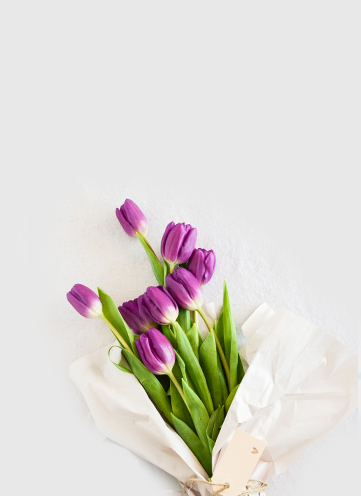
Tulips
- Tulips continue to grow after cutting--cut stems shorter to start and leave room for growth.
- Arrange with only other bulb flowers for best hydration compatibility.
- Use cool water and avoid placing in direct sunlight.
Hydrangeas
- Soak stems in hot water for 30 seconds before arranging, then place in a vase with room-temperature water.
- Mist hydrangea heads daily to increase moisture and prolong vase life.
Lilies
- Remove pollen-covered anthers to prevent staining and increase longevity.
- Keep lilies away from direct heat sources, and handle stems with care.
Common Myths about Bouquet Care
- Myth: Aspirin makes flowers last longer.
Truth: There is no consistent evidence that aspirin outperforms properly formulated floral food or basic care. - Myth: Pennies in the water keep bacteria away.
Truth: Unless the penny is made of copper (pre-1982), it won't inhibit bacteria. It's better to use bleach or vinegar in minimal quantities.
Remember: Cleanliness, fresh cuts, proper hydration, and the right environment are the key factors that will help you keep your bouquets blooming longer.
DIY Flower Food Recipes
If you don't have access to commercial flower preservatives, homemade solutions can help keep your bouquet fresh:
- 1 teaspoon sugar + 1 teaspoon white vinegar + 1 quart warm water
- 2 tablespoons lemon juice + 1 tablespoon sugar + 1/2 teaspoon bleach in 1 quart water
- 1 crushed aspirin tablet + 1 quart water (not a substitute for proper cleaning, but can be a stopgap)
Be careful not to use too much bleach or vinegar, as this can be harmful to your flowers. Always err on the side of caution and start with small amounts.
Advanced Tips for Long-Lasting Arrangements
- Store bouquets in the refrigerator overnight. Professional florists often refrigerate arrangements to slow down the aging process. At home, keep your bouquet in the fridge overnight for maximum longevity.
- Use floral foam for robust arrangements. Soak the foam thoroughly and place it in your vase or container to keep stems hydrated, especially for complex centerpieces.
- Trim ends regularly. Even with the best care, flower stems can seal up over time. Trimming every 2-3 days ensures optimal water uptake.
- Keep vases away from cigarette smoke and harsh chemicals. Airborne substances can damage delicate flowers and accelerate wilting.
How to Revitalize Drooping Bouquets
Even with careful maintenance, some blooms may start to wilt. But that doesn't mean you have to toss the whole bouquet! Try these emergency tricks to restore your bouquet's vibrancy:
- Recut stems and rehydrate. Submerge stems (or, for some flowers, the whole head) in fresh, cool water.
- Remove any dying flowers promptly.
- Use a misting bottle to rehydrate petals, especially for flowers like hydrangeas.
The Environmental Impact: Sustainable Bouquet Care
Caring for your bouquets isn't just about looks--it's also an opportunity to make eco-friendly choices:
- Opt for local and seasonal flowers to reduce your arrangement's carbon footprint.
- Compost spent flowers and use the water for your garden or houseplants.
- Invest in reusable vases and avoid single-use plastics in floral arrangements.
With conscious choices, you not only prolong the life of your bouquets but also help the planet.

Frequently Asked Questions about Keeping Bouquets Blooming
- How often should I change the water in my bouquet?
Change the water every 2-3 days for best results--and always give stems a fresh cut at the same time. - Can I use tap water?
Tap water is usually fine, but if your water is very hard or treated, consider using filtered or bottled water for best flower freshness. - What is the best way to dispose of old flowers?
Compost them! Flowers decompose well and enrich garden soil. Alternatively, dry and press petals for crafts.
Conclusion: Enjoy Your Long-Lasting Bouquets
Bouquets are more than just decorations--they're living art that deserves proper care. By applying the techniques outlined in this guide, you can keep your bouquets blooming and looking spectacular for as long as possible. From the moment you select your flowers to the routine upkeep and the final composting of petals, every step plays a vital role in extending the life of your floral arrangements.
Follow these simple steps, treat your bouquets with care, and bask in the enjoyment of fresh, beautiful blooms for days--maybe even weeks--to come!
Remember: Consistent water changes, clean vases, sharp stem cuts, and the right environment are the keys to prolonging bouquet life. Let your space flourish with vitality and color all season long!
Latest Posts
Passion in Petals: The Red Rose as a Love Icon
The Secret Language of Your Birth Flower and Its Meaning for You
8 Lesser-Known Facts About the Mighty Sunflower
Top 12 Long-Lasting Flowers to Revitalize Your Outdoor Space